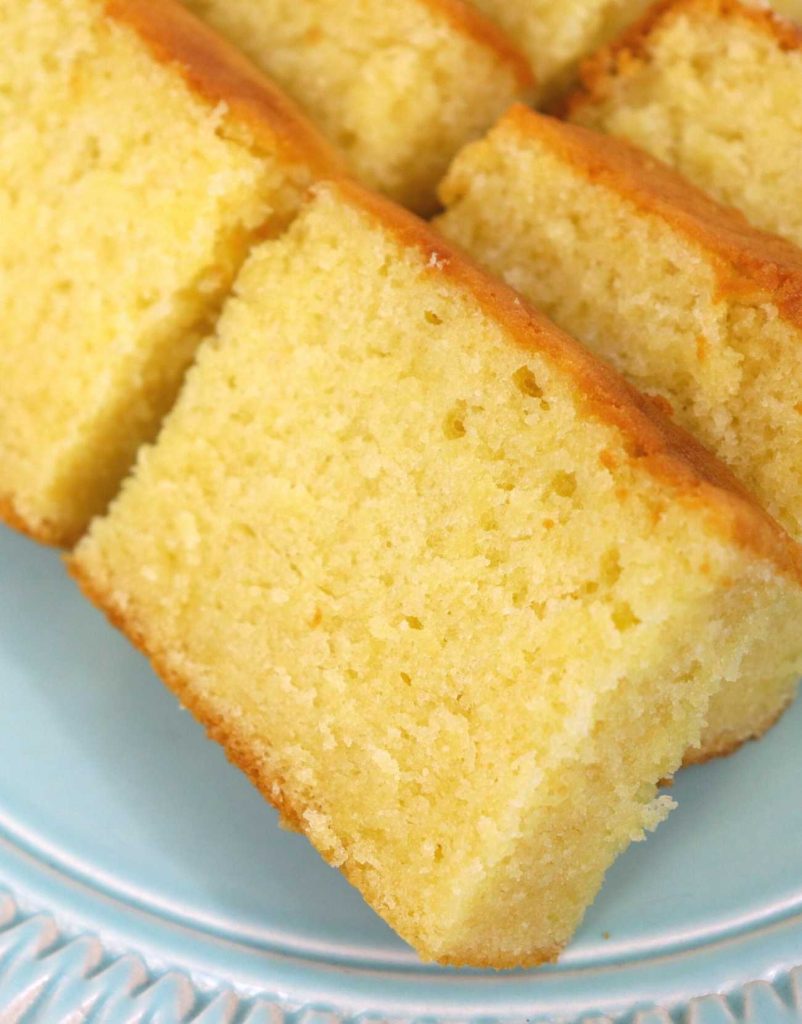
There’s nothing quite like the heavenly aroma of a freshly baked yellow butter cake wafting through your kitchen, promising that perfect balance of rich, buttery flavor and impossibly moist crumb that makes this classic dessert absolutely irresistible.
This foolproof moist yellow butter cake recipe delivers everything you’ve been searching for – tender layers that practically melt in your mouth, a gorgeous golden color that screams homemade goodness, and that nostalgic, comforting taste that transforms any ordinary day into a celebration.
Whether you’re planning a birthday party, need a stunning base for elaborate decorating, or simply want to treat your family to something extraordinary, this recipe will quickly become your most treasured baking secret.
Ingredients
- 2¾ cups (345g) all-purpose flour
- 1¾ cups (350g) granulated sugar
- ¾ cup (170g) unsalted butter, softened
- 3 large eggs, room temperature
- 2½ teaspoons baking powder
- 1 teaspoon salt
- 1¼ cups (300ml) whole milk, room temperature
- 2 teaspoons vanilla extract
- ¼ teaspoon almond extract (optional)
- 2 tablespoons vegetable oil
Cooking Instructions
1. Begin by preheating your oven to 350°F (175°C) and prepare two 9-inch round cake pans by generously greasing them with butter and dusting with flour, or line the bottoms with parchment paper for extra insurance against sticking. This preparation step is crucial for achieving perfectly released cake layers that maintain their beautiful shape.
2. In a large mixing bowl, cream together the softened butter and granulated sugar using an electric mixer on medium speed for approximately 4-5 minutes, until the mixture becomes light, fluffy, and noticeably paler in color. This creaming process incorporates air into the batter, which is essential for creating the tender, moist texture that makes this cake so special.
3. Add the eggs one at a time to the creamed butter mixture, beating well after each addition and making sure each egg is completely incorporated before adding the next. Follow with the vanilla extract, almond extract (if using), and vegetable oil, mixing until the batter is smooth and well combined.
4. In a separate medium bowl, whisk together the flour, baking powder, and salt until evenly distributed. This dry ingredient mixture will be added to the wet ingredients in alternating portions with the milk to prevent overmixing and ensure optimal cake structure.
5. With your mixer on low speed, add the flour mixture to the butter mixture in three additions, alternating with the milk in two additions, beginning and ending with the flour mixture. Mix each addition just until combined – overbeating at this stage can result in a tough, dense cake rather than the tender crumb we’re aiming for.
6. Divide the batter evenly between your prepared cake pans, using a kitchen scale for the most accurate results, or simply eyeball it and smooth the tops with an offset spatula. Gently tap the pans on the counter a few times to release any air bubbles that might create holes in your finished cake.
7. Bake for 25-30 minutes, or until the cakes are golden brown, spring back lightly when touched in the center, and a toothpick inserted into the middle comes out clean or with just a few moist crumbs. Avoid opening the oven door during the first 20 minutes of baking to prevent the cakes from sinking.
8. Allow the cakes to cool in their pans for 10 minutes before turning them out onto wire racks to cool completely. This cooling period helps the cakes maintain their structure while still warm enough to release easily from the pans.
Variations
Lemon Butter Cake: Transform this classic recipe into a bright, citrusy delight by replacing the vanilla extract with lemon extract and adding 2 tablespoons of fresh lemon zest to the batter. The lemon flavor pairs beautifully with cream cheese frosting or a simple lemon glaze for an elegant spring or summer dessert.
Chocolate Chip Yellow Cake: Fold 1 cup of mini chocolate chips into the finished batter just before dividing between pans for a delightful twist that combines the best of both worlds. The chips will distribute evenly throughout the cake, creating pockets of chocolatey goodness in every bite.
Gluten-Free Version: Substitute the all-purpose flour with a high-quality 1:1 gluten-free flour blend that contains xanthan gum, and add an extra 2 tablespoons of milk to compensate for the different absorption properties. The result will be just as moist and delicious as the original.
Coconut Butter Cake: Replace ¼ cup of the milk with coconut milk and add ½ cup of sweetened shredded coconut to the batter for a tropical variation that’s perfect for summer gatherings. Top with coconut cream frosting and toasted coconut flakes for the ultimate island-inspired dessert.
FAQs
Q: Why is my yellow butter cake dry instead of moist? A: Several factors can contribute to a dry cake, including overbaking, too much flour, or not enough fat.
Always measure ingredients accurately, check your cake 5 minutes before the recommended baking time, and ensure your butter and eggs are at room temperature for proper incorporation. The addition of vegetable oil in this recipe specifically helps maintain moisture.
Q: Can I make this cake ahead of time? A: Absolutely! This cake actually tastes even better the next day as the flavors meld together. Wrap cooled, unfrosted layers tightly in plastic wrap and store at room temperature for up to 2 days, or freeze for up to 3 months.
Thaw frozen layers completely before frosting.
Q: What’s the best frosting to pair with this yellow butter cake? A: This versatile cake pairs beautifully with classic chocolate buttercream, cream cheese frosting, vanilla buttercream, or even a simple dusting of powdered sugar.
The neutral, buttery flavor complements both rich and light frostings equally well.
Q: Can I use this recipe to make cupcakes instead? A: Yes! This batter makes approximately 24 standard cupcakes. Fill cupcake liners about ⅔ full and bake at 350°F for 18-22 minutes, or until a toothpick inserted in the center comes out clean.
Q: My cake layers domed on top – how can I prevent this? A: Doming usually occurs when the oven temperature is too high or the pans are placed too close to the top of the oven. Make sure your oven temperature is accurate with an oven thermometer, and position your cake pans in the center of the oven for even heat distribution.
This moist yellow butter cake recipe is destined to become your family’s new favorite dessert, delivering consistent, bakery-quality results that will have everyone asking for your secret. The combination of butter, oil, and careful technique creates a cake that stays incredibly moist for days while maintaining that perfect, tender crumb that makes every bite absolutely divine.
Don’t forget to Pin this recipe so you’ll always have it handy for those special occasions, last-minute celebrations, or whenever you need a little homemade sweetness to brighten your day!

