Mexico’s rich culinary heritage extends beyond its savory dishes to a delightful array of traditional cookies that have been cherished for generations. Among these, polvorones, biscochitos, and decorated cookies stand out, each offering a unique taste and cultural significance.
This article delves into these three iconic Mexican cookies, exploring their origins, ingredients, preparation methods, and the roles they play in Mexican celebrations.
Polvorones: The Crumbly Delights
Polvorones, often referred to as Mexican wedding cookies, are crumbly, buttery treats that melt in your mouth. The name “polvorón” is derived from the Spanish word “polvo,” meaning “dust,” which aptly describes their powdery texture.
These cookies have counterparts in various cultures, such as Russian tea cakes and Italian wedding cookies, but the Mexican version has its distinct characteristics.
Origins and Cultural Significance
Polvorones have a rich history that traces back to Spanish colonial times. They are traditionally served at weddings, quinceañeras, Christmas, and other festive occasions, symbolizing happiness and prosperity.
Their delicate texture and sweet flavor make them a favorite during celebrations.
Ingredients and Preparation
The classic polvorones recipe is simple yet yields a delectable cookie:
- Butter: Provides richness and a tender crumb.
- Powdered Sugar: Sweetens the dough and gives the cookies their characteristic coating.
- All-Purpose Flour: Forms the base of the cookie.
- Ground Nuts: Pecans or almonds are commonly used, adding a nutty flavor and texture.
- Vanilla Extract: Enhances the overall flavor.
- Cinnamon: Optional, but adds warmth and depth to the taste.
To prepare polvorones:
Creaming: Butter and powdered sugar are beaten together until light and fluffy.
Mixing: Flour, ground nuts, and optional cinnamon are incorporated to form a dough.
Shaping: The dough is rolled into small balls or crescent shapes.
Baking: Placed on a baking sheet and baked until the bottoms are golden brown.
Coating: While still warm, the cookies are rolled in powdered sugar, then cooled and coated again for a sweet finish.
The result is a tender, crumbly cookie that pairs perfectly with a cup of coffee or hot chocolate.
Biscochitos: A Cinnamon-Anise Tradition
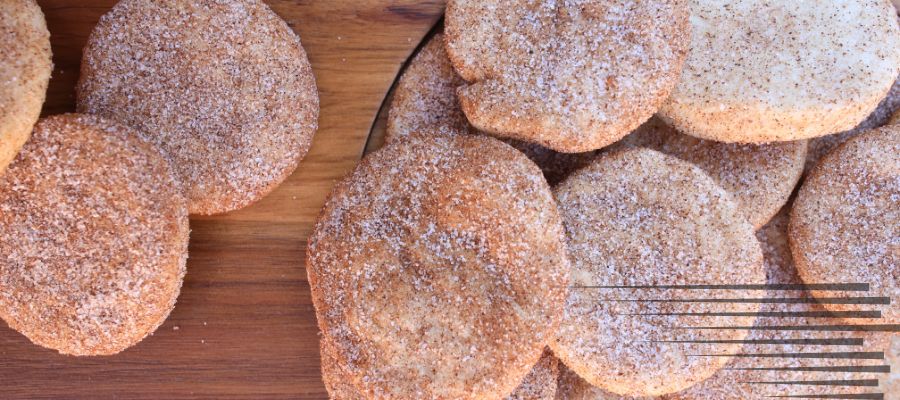
Biscochitos are traditional Mexican cookies known for their unique flavor combination of cinnamon and anise. These cookies hold a special place in Mexican and New Mexican cuisine, often associated with holidays and special occasions.
Origins and Cultural Significance
Biscochitos originated in Spain and were brought to the New World by Spanish settlers. In New Mexico, they have become the state’s official cookie and are a staple during Christmas celebrations, weddings, and other festive events.
Their distinctive flavor and crisp texture make them a beloved treat.
Ingredients and Preparation
The traditional biscochito recipe includes:
- Lard or Butter: Lard is traditionally used for authenticity, but butter can be substituted.
- Granulated Sugar: Sweetens the dough.
- Anise Seeds: Provide a subtle licorice-like flavor.
- All-Purpose Flour: Forms the structure of the cookie.
- Baking Powder: Leavens the dough slightly.
- Eggs: Bind the ingredients together.
- Cinnamon-Sugar Mixture: For coating the cookies after baking.
To make biscochitos:
Creaming: Lard or butter and sugar are beaten until creamy.
Flavoring: Anise seeds and eggs are added to the mixture.
Combining: Flour and baking powder are mixed in to form a dough.
Rolling and Cutting: The dough is rolled out and cut into shapes, often stars or fleur-de-lis.
Baking: Cookies are baked until lightly golden.
Coating: While warm, they are tossed in a cinnamon-sugar mixture.
Biscochitos offer a delightful blend of crispiness and the warm flavors of cinnamon and anise, making them perfect for festive occasions.
Decorated Cookies: Edible Artistry
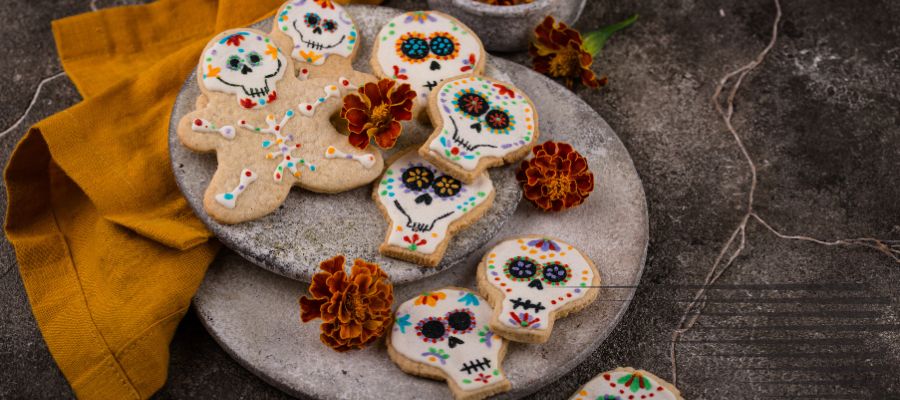
Decorated cookies in Mexican culture are not just treats but also expressions of art and tradition. These cookies are often elaborately adorned with colorful icing and designs, reflecting the vibrancy of Mexican celebrations.
Cultural Significance
Decorated cookies are integral to various Mexican festivities, including:
- Día de los Muertos (Day of the Dead): Cookies shaped like skulls and decorated with bright icing honor deceased loved ones.
- Las Posadas: During this Christmas tradition, cookies shaped like stars, angels, and other symbols are shared.
- Weddings and Baptisms: Custom-decorated cookies serve as both
To create beautifully decorated Mexican cookies, start with a sturdy sugar cookie base that holds its shape well during baking. A classic sugar cookie dough consists of butter, sugar, eggs, vanilla extract, flour, baking powder, and a pinch of salt.
Once the dough is mixed and chilled, roll it out evenly and use cookie cutters in traditional Mexican shapes such as skulls for Día de los Muertos, flowers for fiestas, or stars and angels for Christmas. Bake the cookies until they are just golden around the edges, then let them cool completely before decorating.
The key to decorating is royal icing, which is made from powdered sugar, meringue powder, and water. This icing can be tinted with vibrant gel food colors to reflect the lively hues of Mexican culture—bright blues, reds, yellows, and greens.
Using piping bags and fine-tipped nozzles, outline each cookie with a border of royal icing, then flood the center with a slightly thinner consistency to create a smooth surface. Traditional designs might include intricate sugar skull patterns, floral motifs, or geometric shapes inspired by Talavera tiles.
Once the icing has set, additional details can be added with a thicker icing consistency, edible markers, or even small sugar pearls for texture.
To achieve an authentic look, take inspiration from traditional Mexican art, such as papel picado (cut paper banners) or Otomi embroidery patterns. Allow the decorated cookies to dry completely before handling or packaging.
These cookies are not only delicious but also serve as edible works of art, perfect for celebrations, gifts, or simply as a way to embrace Mexican culture.

