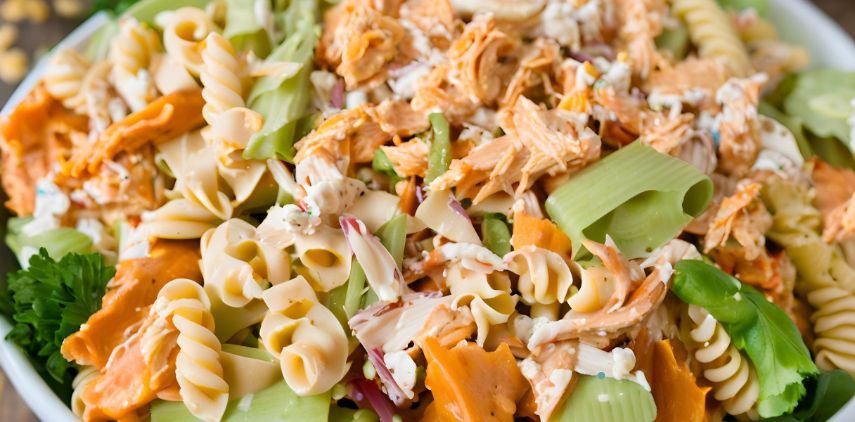
Greek pasta salad is a delightful fusion of Mediterranean flavors and hearty pasta, making it a versatile dish suitable for various occasions. Whether you’re hosting a summer barbecue, seeking a nutritious lunch option, or in need of a quick dinner, this salad offers a refreshing and satisfying choice.
In this comprehensive guide, we’ll explore the origins of Greek pasta salad, provide a detailed recipe, discuss variations and serving suggestions, and address frequently asked questions to ensure you achieve the perfect dish every time.
The Origins of Greek Pasta Salad
Traditional Greek salad, known as “horiatiki,” is a staple in Greek cuisine, featuring a simple yet flavorful combination of tomatoes, cucumbers, bell peppers, red onions, Kalamata olives, and feta cheese, all dressed with olive oil and seasoned with oregano.
Notably, authentic Greek salad omits lettuce, focusing instead on the freshness and quality of its core ingredients.
The adaptation of this classic into a pasta salad is a more contemporary twist, likely emerging as a fusion of Mediterranean flavors with the global popularity of pasta dishes.
By incorporating pasta, the salad becomes more substantial, making it suitable as a main course while still retaining the vibrant flavors characteristic of Greek cuisine.
Greek Pasta Salad Recipe
Ingredients:
For the Salad:
- 12 ounces (340g) rotini or penne pasta
- 1 cup cherry tomatoes, halved
- 1 cucumber, diced
- 1 red bell pepper, diced
- 1 small red onion, thinly sliced
- 1 cup Kalamata olives, pitted and halved
- 1 cup crumbled feta cheese
For the Dressing:
- 1/4 cup extra-virgin olive oil
- 2 tablespoons red wine vinegar
- 1 tablespoon lemon juice
- 2 cloves garlic, minced
- 1 teaspoon dried oregano
- Salt and freshly ground black pepper, to taste
Instructions
To begin the process, start by preparing your pasta. In a large pot filled with salted water, bring the water to a vigorous boil before adding the pasta.
The goal is to cook the pasta until it reaches the perfect al dente texture—tender yet firm to the bite—following the time guidelines on the package. Once the pasta is cooked, it’s important to drain it thoroughly and then rinse it under cold water.
This crucial step stops the cooking process instantly and cools the pasta down, ensuring that it remains a pleasant, chewable base for the salad without continuing to soften or stick together.
While the pasta cooks, shift your focus to preparing the vegetables. Rinse and halve a cup of cherry tomatoes, dice a crisp cucumber, and cut a red bell pepper into uniform pieces.
Additionally, thinly slice a small red onion to introduce a delicate sharpness that complements the other ingredients. These vegetables should be transferred to a large mixing bowl where they will serve as the fresh foundation of the salad.
The vibrant colors of these vegetables not only make the dish visually appealing but also contribute a variety of textures and flavors that are integral to the overall taste experience.
Next, create the dressing that will unify the flavors of the salad. In a small bowl, combine a quarter cup of extra-virgin olive oil with two tablespoons of red wine vinegar and a tablespoon of freshly squeezed lemon juice.
Add in two minced cloves of garlic and a teaspoon of dried oregano to enhance the Mediterranean flavor profile. Season this mixture with salt and freshly ground black pepper to taste.
Whisk these ingredients together until they form a harmonious emulsion that is both tangy and aromatic. The simplicity of the dressing reflects the essence of Greek cuisine, where quality ingredients speak for themselves without being overpowered by complex additives.
Once your pasta has cooled and your vegetables are prepped, it’s time to bring everything together.
Gently add the cooled pasta to the bowl of vegetables, and then pour your freshly whisked dressing over the mixture. With a light hand, toss the ingredients together, ensuring that the pasta and vegetables are evenly coated.
The gentle mixing helps to avoid breaking down the vegetables or crumbling the feta prematurely. Following this, incorporate one cup of crumbled feta cheese and one cup of pitted and halved Kalamata olives into the salad.
These ingredients add a rich creaminess and a savory burst that elevates the dish to a new level.
The feta provides a subtle tang while the olives contribute a briny depth that perfectly complements the sweet and acidic notes of the dressing.
For the best flavor, allow the salad to rest in the refrigerator for at least 30 minutes before serving. This resting period is essential as it gives the pasta and vegetables time to absorb the dressing, allowing the flavors to meld together beautifully.
Serving the salad chilled or at room temperature is a matter of personal preference, but chilling it usually enhances its refreshing qualities, making it a perfect dish for hot summer days.
One of the most exciting aspects of Greek pasta salad is its versatility. If you wish to add more protein and transform it into a heartier main course, consider incorporating grilled chicken, shrimp, or even chickpeas.
These additions not only increase the nutritional value of the dish but also offer a more robust dining experience.
The salad is also highly adaptable when it comes to its vegetable content. Some home cooks like to add artichoke hearts or roasted red peppers, or even a handful of fresh spinach, each contributing its unique flavor and texture.
For those following a vegan diet, it is simple to modify the recipe by omitting the feta cheese or replacing it with a plant-based alternative, while still preserving the essential Mediterranean character of the dish.
Gluten-free options are also easily achievable by using gluten-free pasta, making this salad a welcoming option for guests with various dietary needs.
Greek pasta salad is not just a standalone dish—it pairs wonderfully with a variety of meals and can enhance any dining experience. It works beautifully as a light main course for lunch, offering a refreshing alternative to heavier meals.
When served as a side dish, it complements grilled meats like lamb, chicken, or fish with its zesty and vibrant flavors. The salad is also an excellent addition to potlucks and picnics; its ability to maintain its texture and flavor at room temperature makes it a reliable choice for outdoor gatherings.
To round out the meal, consider serving it alongside warm pita bread or a crusty baguette, which provides a delightful contrast in texture and completes the Mediterranean dining experience.
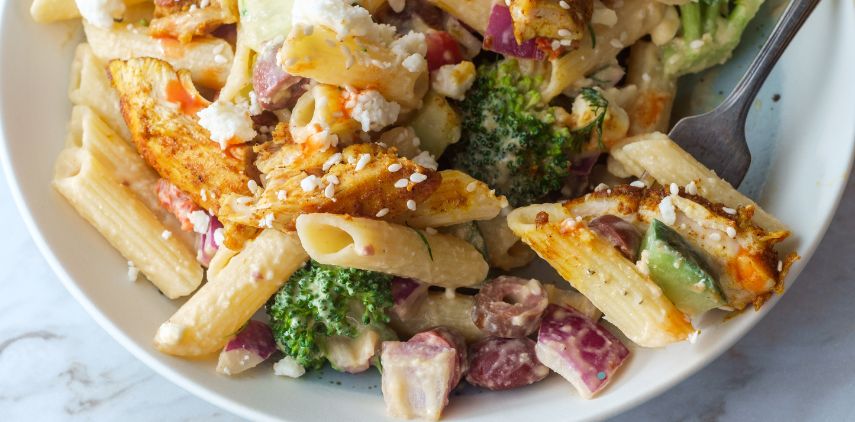
Frequently Asked Questions
Q: Can I make Greek pasta salad ahead of time?
A: Yes, Greek pasta salad can be prepared in advance. Many find that letting the salad rest in the refrigerator for several hours or even overnight allows the flavors to meld and intensify.
However, if you prefer your vegetables to maintain a firmer texture, you might opt to add the dressing just before serving rather than right after combining all the ingredients.
Q: How long does Greek pasta salad last in the refrigerator?
A: When stored in an airtight container, Greek pasta salad will generally keep well for 3 to 4 days in the refrigerator.
Before serving leftovers, it is a good idea to give the salad a gentle toss to redistribute any dressing that may have settled at the bottom, ensuring that every bite remains flavorful and balanced.
Q: Is it possible to use a different type of pasta?
A: Absolutely. While rotini or penne are often recommended because their shapes allow them to capture the dressing effectively, you can experiment with other short pasta shapes like fusilli, farfalle, or elbow macaroni.
The key is to choose a pasta that complements the salad’s textures and can hold up well when mixed with the other ingredients.
Q: Why do I need to rinse the pasta after cooking?
A: Rinsing the pasta under cold water immediately after draining is a crucial step.
This process not only stops the cooking process, preserving the pasta’s al dente texture, but also cools it down quickly so that it can absorb the flavors of the dressing without becoming overcooked or sticky.
Q: Can I substitute the homemade dressing with a store-bought version?
A: While the homemade dressing offers a fresher and more customizable flavor profile, you can certainly opt for a high-quality store-bought Greek dressing if you are short on time.
Just be sure to select one that matches your taste preferences and dietary needs, as this will ensure that the overall flavor of your salad remains balanced and true to its Mediterranean roots.
In conclusion, Greek pasta salad is a vibrant and versatile dish that embodies the spirit of Mediterranean cuisine.
Its combination of tender pasta, crisp vegetables, tangy feta, and briny olives, all brought together by a zesty dressing, creates a meal that is both refreshing and satisfying.
The beauty of this recipe lies in its simplicity and adaptability, making it an ideal choice for a range of occasions—from casual family dinners to festive outdoor gatherings.
With thoughtful preparation and a few simple adjustments, this salad can easily become a favorite in your culinary repertoire, celebrated for its delightful blend of textures and flavors that transport you straight to the sunny shores of Greece.
Enjoy the process of creating this delicious dish and relish every vibrant bite that echoes the rich traditions of Mediterranean cooking.