French toast muffins represent the beautiful marriage of two beloved breakfast classics: the custardy richness of French toast and the portable convenience of muffins.
This ingenious recipe originated from home cooks looking to simplify the traditional French toast process while maintaining its beloved flavor profile. Instead of standing over a griddle flipping slices of bread, this method allows you to prepare an entire batch at once in your oven.
The concept of French toast itself dates back to ancient times, with records showing that Romans would soak bread in milk before frying it in oil and honey. The dish we know today gained popularity in medieval Europe as a practical way to use stale bread.
The French call it “pain perdu,” meaning “lost bread,” highlighting its origins as a rescue mission for bread that would otherwise go to waste. These muffins continue that waste-not tradition with a modern, convenient twist.
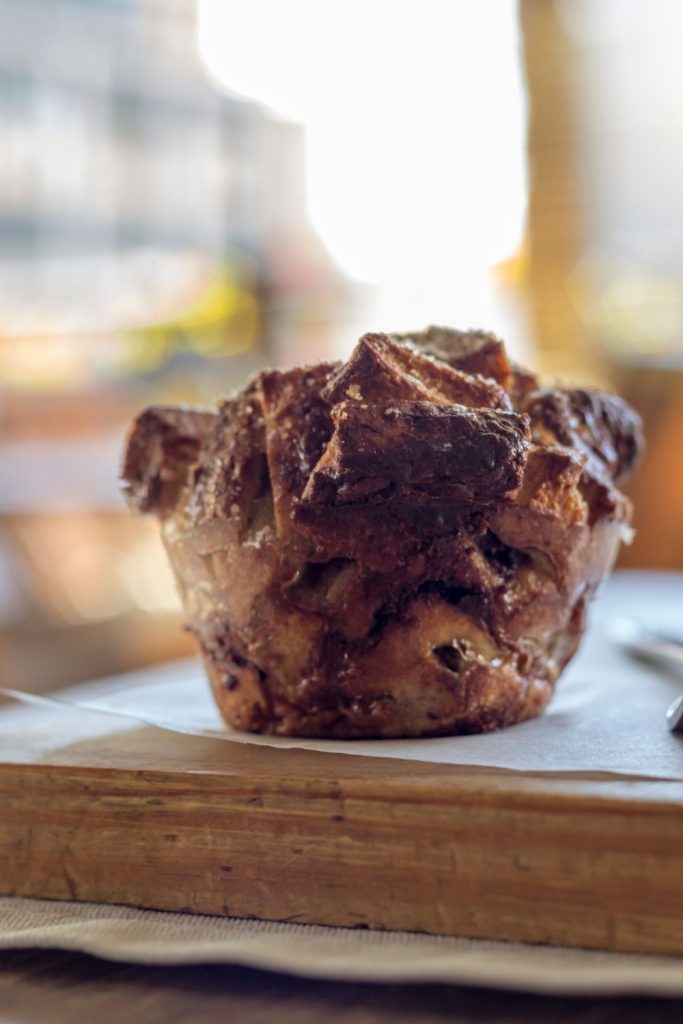
What makes these French toast muffins truly special is their versatility and crowd-pleasing nature. The exterior develops a lovely caramelized crunch while the interior remains soft and custard-like – capturing the perfect French toast texture in every bite.
The addition of a cinnamon-sugar topping creates those familiar warm, comforting flavors that make traditional French toast so beloved.
Whether served at a holiday breakfast, a weekend brunch, or prepared ahead for busy weekday mornings, these muffins strike the perfect balance between special treat and everyday feasible.
INGREDIENTS
For the Muffins:
- 8 cups day-old bread cubes (about 1-inch pieces) from brioche, challah, or French bread
- 6 large eggs
- 1½ cups whole milk
- ⅓ cup maple syrup
- ¼ cup brown sugar, packed
- 2 teaspoons vanilla extract
- 1½ teaspoons ground cinnamon
- ¼ teaspoon ground nutmeg
- ¼ teaspoon salt
For the Topping:
- 3 tablespoons unsalted butter, melted
- ⅓ cup granulated sugar
- 1½ teaspoons ground cinnamon
For Serving (Optional):
- Maple syrup
- Fresh berries
- Powdered sugar for dusting
- Whipped cream
Using slightly stale bread is actually preferable for this recipe, as it better absorbs the custard mixture without becoming soggy.
If you only have fresh bread on hand, you can cube it and leave it out overnight or toast it lightly in the oven for about 10 minutes at 300°F (150°C) to dry it out a bit.
The bread choice matters – brioche and challah provide a richer, more decadent result due to their higher egg and butter content, while French bread offers a sturdier texture with a more neutral flavor.
For those with dietary restrictions, several adaptations work well in this recipe. The milk can be substituted with almond, oat, or coconut milk for a dairy-free version.
To make it gluten-free, simply use your favorite gluten-free bread. For a lower-sugar option, reduce the maple syrup to ¼ cup and use a monk fruit or stevia brown sugar blend. The versatility of this recipe makes it accessible for nearly everyone to enjoy while maintaining its delicious French toast essence.
INSTRUCTIONS
Begin by preheating your oven to 350°F (175°C). Generously grease a standard 12-cup muffin tin with butter or cooking spray.
Cube your day-old bread into approximately 1-inch pieces until you have about 8 cups. Place the bread cubes in a large mixing bowl and set aside.
In a separate medium bowl, whisk together the eggs, milk, maple syrup, brown sugar, vanilla extract, cinnamon, nutmeg, and salt until well combined and slightly frothy.
Pour the egg mixture over the bread cubes and gently fold with a spatula to ensure all pieces are evenly coated. Let the mixture sit for 15-20 minutes, occasionally pressing the bread down to help it absorb the custard.
You’ll know it’s ready when most of the liquid has been absorbed, but the mixture remains moist.
While the bread is soaking, prepare the cinnamon-sugar topping by mixing the granulated sugar and cinnamon in a small bowl. Set aside.
Using an ice cream scoop or large spoon, divide the soaked bread mixture evenly among the muffin cups, gently pressing down to fill each cup completely. The muffin cups should be full but not overflowing.
Bake in the preheated oven for 20-25 minutes until the tops are golden brown and the centers are set. To test for doneness, insert a toothpick into the center of a muffin – it should come out clean with no wet custard.
While the muffins are still hot, brush the tops with melted butter and immediately sprinkle with the cinnamon-sugar mixture to create a sweet, crunchy crust.
Allow the muffins to cool in the pan for 5-10 minutes before carefully removing them. Serve warm with optional toppings like maple syrup, fresh berries, a dusting of powdered sugar, or a dollop of whipped cream.
FAQs
Can I make this recipe ahead of time?
Absolutely! French toast muffins are perfect for meal prep. You can prepare them in two ways: either make the entire recipe through baking, cool completely, and store in an airtight container in the refrigerator for up to 3 days, or freeze for up to 2 months.
To reheat, warm in the microwave for 20-30 seconds or in a 350°F oven for about 10 minutes until heated through. For the best texture when reheating from frozen, thaw overnight in the refrigerator first.
Alternatively, you can prepare just the bread and custard mixture the night before. Combine the bread cubes and egg mixture, cover, and refrigerate overnight. In the morning, simply scoop the soaked mixture into your muffin tin and bake.
This overnight method actually enhances the flavor and ensures the bread fully absorbs the custard, resulting in an even more delicious final product.
Just be sure to remove the mixture from the refrigerator about 15 minutes before baking to take the chill off.
When making ahead, I recommend adding the cinnamon-sugar topping just before serving for the best texture.
If you’ve already baked and topped the muffins, you can refresh the topping by brushing with a little melted butter and sprinkling with additional cinnamon sugar after reheating. This brings back that delightful crunch that might soften during storage.
How do I know when it’s done cooking?
French toast muffins can be tricky to gauge for doneness because you want them to be set but still moist inside.
The most reliable indicator is visual – look for golden brown tops and slightly puffed centers. When gently pressed, the tops should spring back rather than sink in, indicating that the custard has set.
The toothpick test works well for these muffins: insert a toothpick into the center of a muffin in the middle of the pan (as corner muffins tend to cook faster).
The toothpick should come out mostly clean with perhaps a few moist crumbs but no wet, liquid custard. If you see uncooked egg mixture, continue baking in 2-3 minute increments until done.
Temperature is another reliable indicator. If you have an instant-read thermometer, the internal temperature should reach 160°F (71°C) to ensure the egg custard is properly cooked.
Keep in mind that the muffins will continue cooking slightly from residual heat after removal from the oven, so it’s better to err on the side of slightly underdone rather than overdone, which could result in dry muffins.
Can I substitute ingredient X for ingredient Y?
The bread is perhaps the most flexible ingredient – while brioche, challah, or French bread are ideal, you can use nearly any bread including sandwich bread, sourdough, or even cinnamon raisin bread for an extra flavor dimension.
Just ensure it’s slightly stale for the best absorption.
For the sweeteners, honey can replace maple syrup in equal amounts, though it will impart a different flavor profile.
Similarly, coconut sugar or regular granulated sugar can substitute for brown sugar, though you’ll lose some of the molasses notes. For a more health-conscious option, applesauce can replace half the maple syrup, though the muffins will be slightly less sweet.
Regarding the dairy components, plant-based milks work wonderfully in this recipe – almond, oat, coconut, or soy milk can all substitute for whole milk.
For a richer variation, you can replace up to half the milk with half-and-half or heavy cream. Just avoid fat-free milk as it lacks the richness needed for proper French toast flavor.
The eggs are essential for the custard base and structure, but egg substitutes designed for baking can work if you have egg allergies.
How long will leftovers keep?
French toast muffins will keep in the refrigerator for up to 3 days when stored in an airtight container. For optimal freshness, let them cool completely before storage to prevent condensation from making them soggy.
A paper towel placed at the bottom of your storage container can help absorb any excess moisture.
For longer storage, French toast muffins freeze beautifully for up to 2 months. Wrap each muffin individually in plastic wrap and then place them in a freezer-safe bag or container.
This double-wrapping prevents freezer burn and preserves texture. Label with the date to keep track of freshness. To thaw, either leave in the refrigerator overnight or use the defrost setting on your microwave.
When it comes to reheating, the oven method produces the best results for maintaining that delightful contrast between the crisp exterior and soft interior. Preheat your oven to 350°F (175°C), place the muffins on a baking sheet, and heat for 8-10 minutes if refrigerated or 12-15 minutes if frozen.
For a quicker option, microwave individual muffins for 20-30 seconds (refrigerated) or 45-60 seconds (from frozen), though the texture won’t be quite as good as the oven method.
These French toast muffins represent the perfect harmony of convenience and indulgence, bringing the beloved flavors of a classic breakfast to a form that’s easy to serve and enjoy

