Creating a cake that looks exactly like a roasted Thanksgiving turkey is one of the most delightful baking challenges. Not only is it a conversation starter at any holiday gathering, but it also showcases your creativity and cake-sculpting skills.
With the right techniques and a bit of patience, you can bake and decorate a turkey-shaped cake that’s both delicious and jaw-droppingly realistic. To help you on your journey, here are seven expert tips for mastering the art of the turkey cake.
From structure to finishing details, each step is crucial to pulling off a cake that looks straight from the oven—but is all sweet indulgence inside.
1. Plan Your Cake Structure Before You Bake
A turkey-shaped cake needs a solid internal structure to hold its shape. Start by sketching your design and planning how many cake layers and shapes you’ll need.
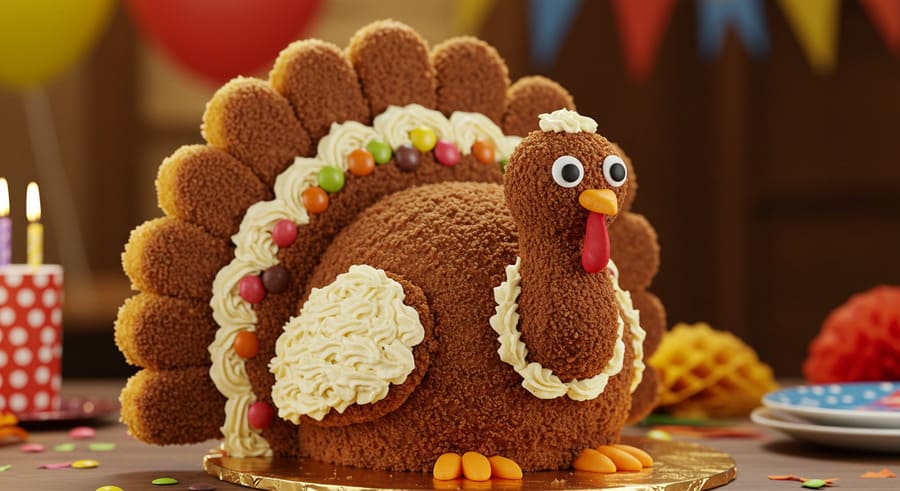
Generally, you’ll want to bake several oval or round cakes to stack and carve into the body, along with separate pieces for the drumsticks. Use sturdy cake types like pound cake or butter cake to ensure they can withstand carving.
Think about the internal supports as well. Dowels or skewers are essential to keep the layers aligned and secure, especially when transporting the cake.
A sturdy cake board is just as important; choose one that’s at least 2 inches larger than the base of your finished turkey to allow for decoration space around the bird.
2. Use the Right Cake for Carving
Not all cakes are ideal for sculpting. Light, airy cakes tend to crumble or compress under the weight of fondant and carving.
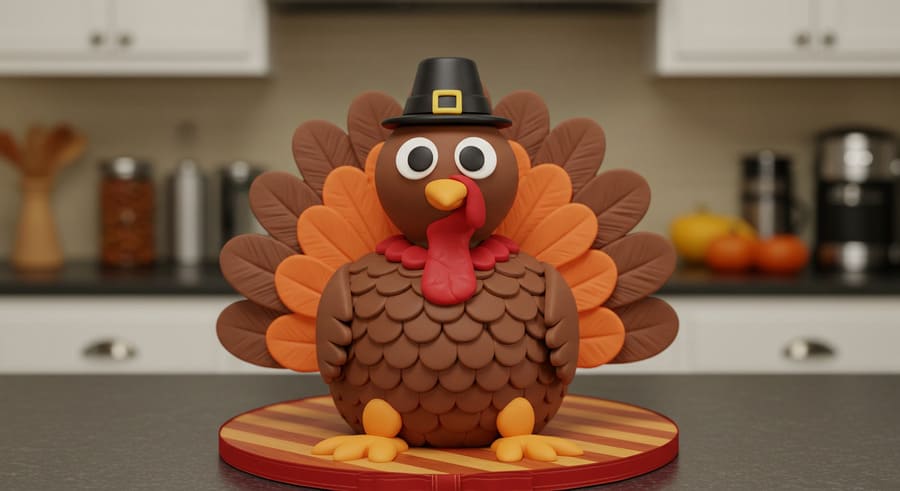
Choose a firm, moist cake recipe that holds together well—pound cake, chocolate mud cake, or dense vanilla cakes are excellent options. Once the cake is baked, chill it before you begin carving. Cold cakes are less likely to crumble, and you’ll get cleaner, more precise cuts.
This helps in shaping the rounded contours of the turkey body and carving out those realistic curves and edges.
3. Shape the Drumsticks and Wings Separately
One of the defining features of a turkey cake is its plump drumsticks and wings.
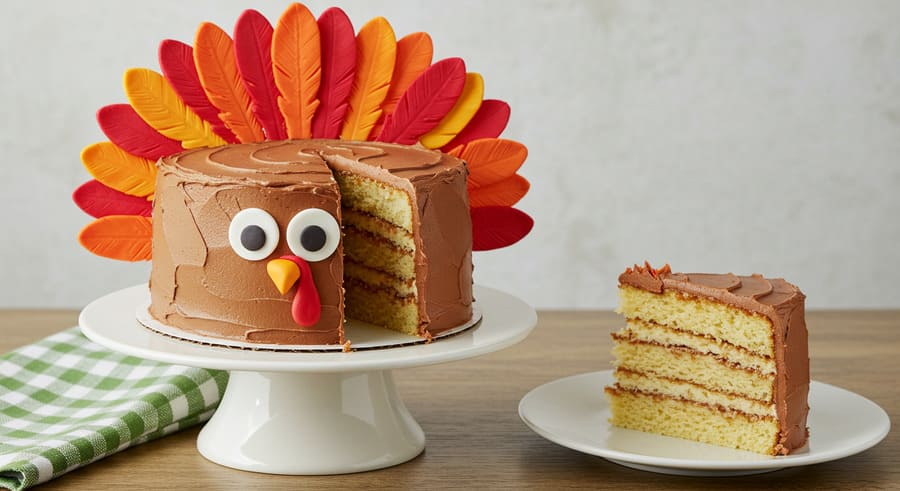
Instead of trying to carve them out of the main cake body, sculpt them separately using cake scraps, modeling chocolate, or even Rice Krispies treats. This gives you more control over the shape and ensures they don’t weigh down the main structure.
Attach the drumsticks securely using skewers or food-safe wires inserted deep into the cake body. Blend the seams with a bit of buttercream or fondant to make them look naturally connected.
Don’t forget to sculpt a slight indentation where the leg meets the body for a more realistic appearance.
4. Achieve a Realistic Skin Texture with Fondant
The key to a turkey cake’s realism lies in its “skin.” Start by covering the entire cake with a thin layer of buttercream to smooth out imperfections and help the fondant stick.
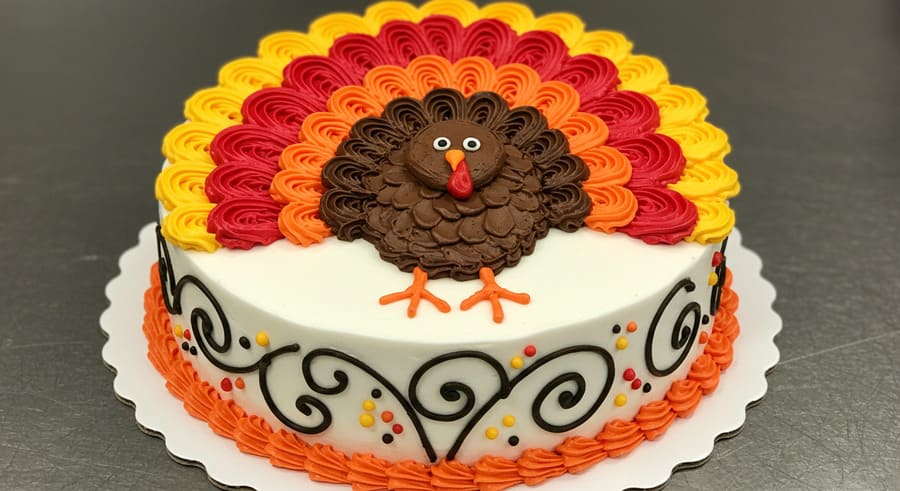
Use a brown or tan fondant for the base, then layer on edible colors to mimic roasted skin tones.
Texture is just as important as color. Use tools like a crumpled paper towel or textured sponge to dab the fondant and give it that slightly wrinkled, roasted look. You can also gently score lines to simulate the natural creases and crisp areas found on a real cooked bird.
5. Use Edible Paints and Glazes for That Oven-Roasted Look
To take your cake from good to jaw-dropping, finish with edible paints and glazes. Mix edible gel colors like brown, amber, and golden yellow with a bit of vodka or lemon extract to create a food-safe paint. Use a soft brush to apply layers of color in a dabbing motion for a natural roasted appearance.
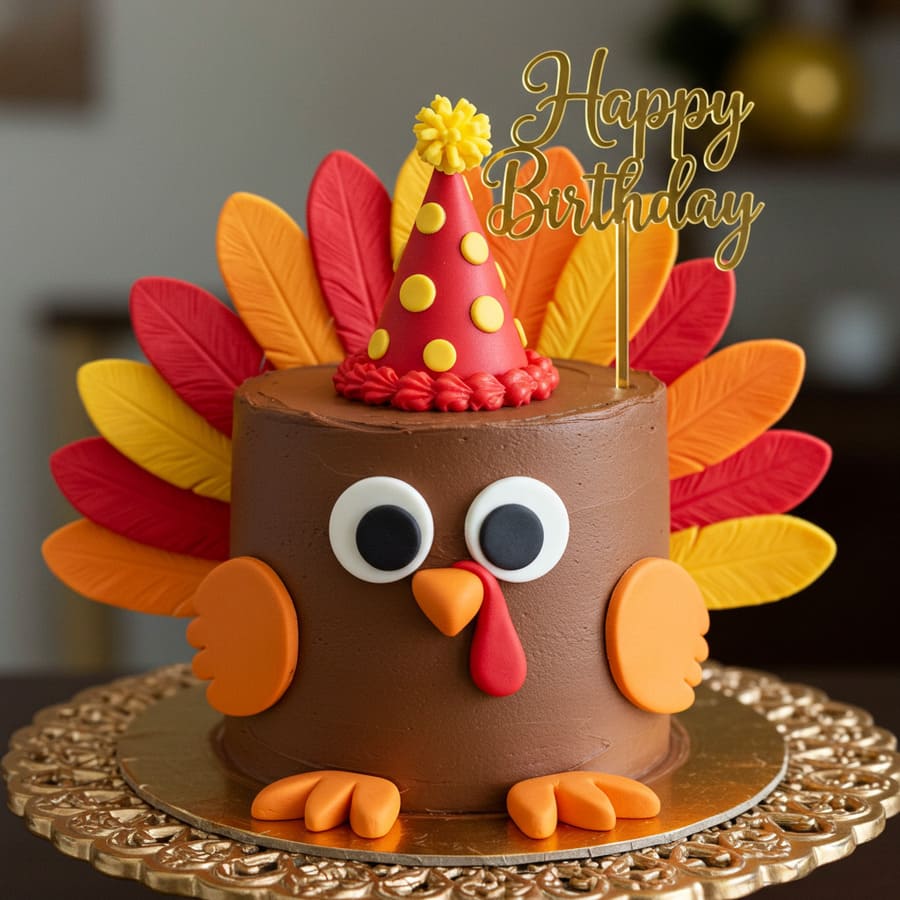
For added realism, brush on a thin layer of piping gel or corn syrup over the fondant once your painting is done. This gives the “skin” a glossy, just-out-of-the-oven shine.
Be strategic about where you apply the shine—mainly on the high points of the drumsticks and the top of the bird—to mimic caramelized skin.
6. Add Edible Garnishes and Details Around the Cake
The turkey cake doesn’t exist in isolation—it’s part of a holiday feast. Decorate the base of the cake with realistic garnishes made from fondant, marzipan, or modeling chocolate.
Think miniature carrots, peas, cranberry sauce, lemon slices, and sprigs of rosemary or parsley for a festive touch.
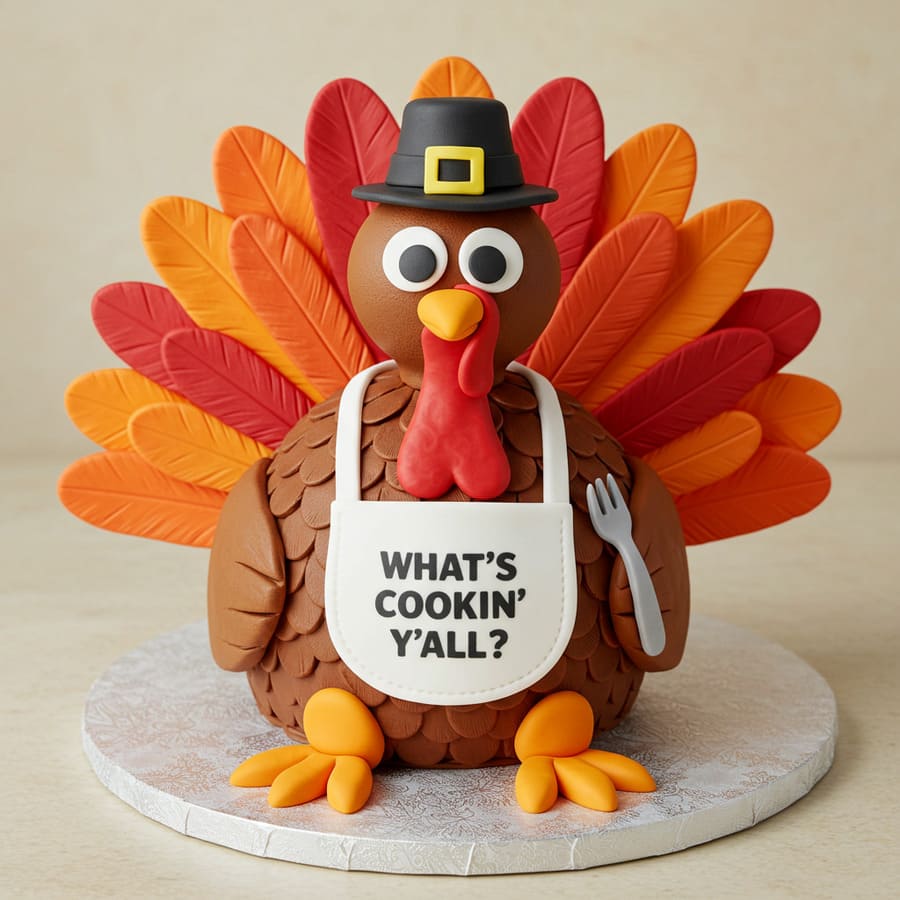
These details enhance the illusion and elevate your presentation. Not only do they make the cake look more like a true Thanksgiving centerpiece, but they also allow you to show off additional sugarcraft skills. Arrange everything on a decorative platter or cake board for maximum effect.
7. Don’t Skip the Internal Flavor and Filling
A cake that looks great should taste just as amazing. Once your design is planned, put just as much thought into your cake flavors and fillings.
Popular combinations like spiced pumpkin cake with cream cheese frosting or chocolate cake with hazelnut ganache can surprise guests with seasonal flair.
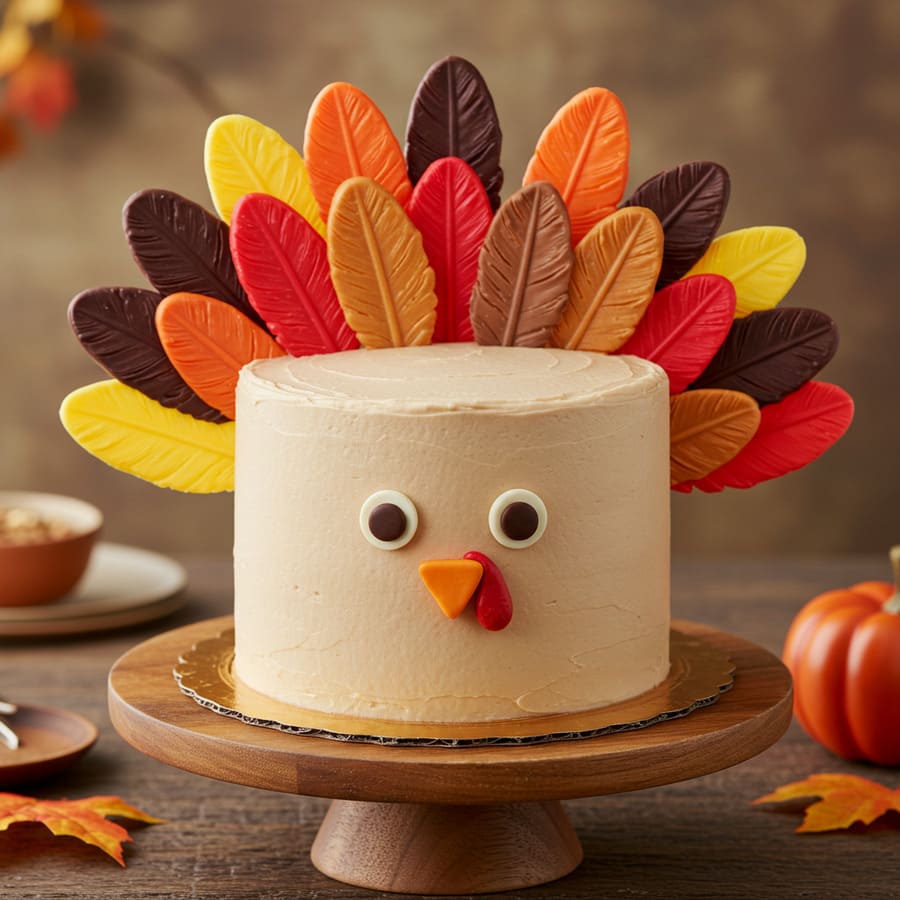
Be mindful of how moist or soft your fillings are. Avoid overly wet fillings that could cause the cake to sag or lose structure. A thin layer of frosting between the layers and a crumb coat around the whole cake will help seal in moisture and keep everything in place during decorating.
Conclusion
Creating a turkey-shaped cake is a wonderful blend of baking skill, sculpting, and artistry. While it can seem intimidating at first, each step builds upon the last to form a stunning, delicious centerpiece.
With a solid plan, the right cake base, clever decorations, and finishing details, you’ll be ready to wow guests with a masterpiece that looks like dinner but tastes like dessert.
Give yourself the freedom to be creative and have fun with the process. Your turkey cake might just become a new holiday tradition that everyone looks forward to year after year.

