3. Cassava: A Staple with a Hidden Hazard
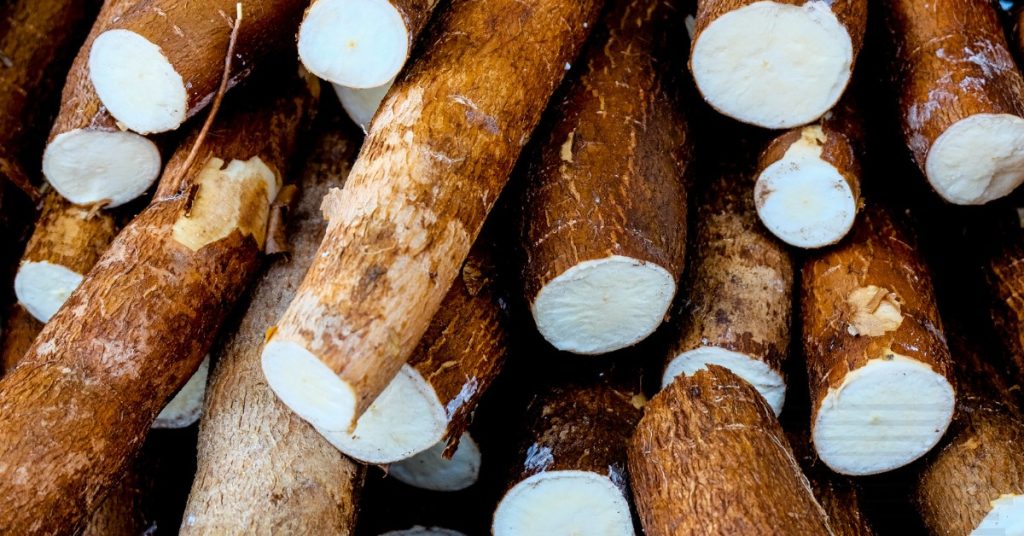
Cassava, also known as manioc or yuca, is a dietary staple for millions around the world. Yet, it is infamous for containing cyanogenic glycosides—compounds that can release cyanide when the cassava is improperly processed.
In many regions, traditional methods such as soaking, fermenting, and thorough cooking have evolved to reduce these toxin levels. However, modern urban lifestyles and industrial processing can sometimes lead to shortcuts that leave dangerous residues.
I recently revisited a WHO fact sheet on natural toxins in food which underscored how even foods that have been consumed safely for generations can become hazardous if not handled correctly.
In regions where cassava is consumed without proper detoxification, outbreaks of cyanide poisoning have been documented. The case of cassava serves as a stark reminder that natural does not automatically equate to safe—it must be processed correctly.
4. Green Potatoes: The Perils of Solanine
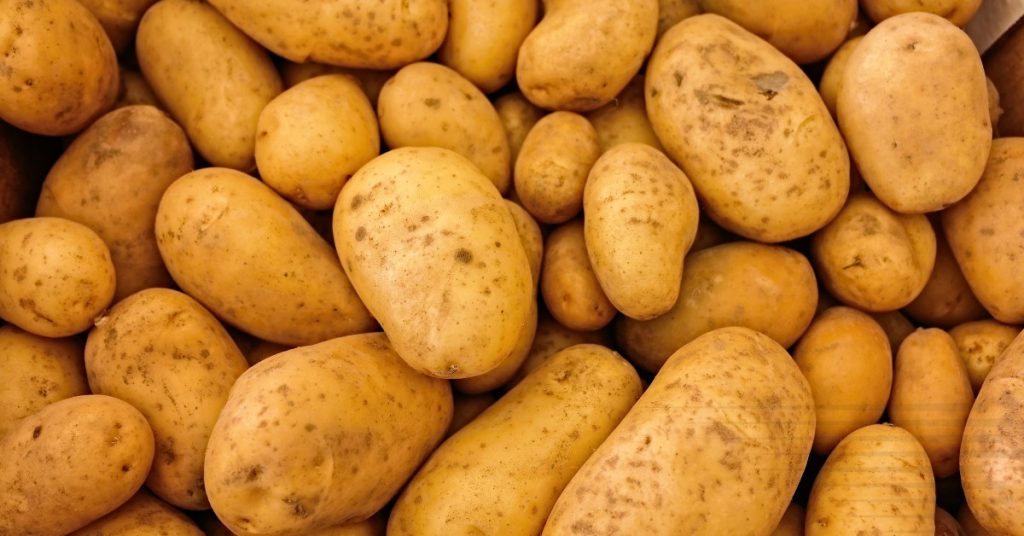
We all enjoy a hearty potato dish, but when potatoes turn green, they signal a potential danger. The green tint is due to chlorophyll, which itself is harmless. However, the process that leads to greening is accompanied by an increase in solanine and chaconine—naturally occurring glycoalkaloids that can be toxic in high amounts.
Solanine poisoning can result in nausea, vomiting, and even neurological symptoms.
Its adviced for you to store potatoes in cool, dark places and to peel or discard any green parts before cooking.
The risk from solanine is minimal when potatoes are properly stored and cooked, yet it’s an excellent example of how a food’s natural defense mechanisms (in this case, against insects and disease) can be harmful to us if we ignore proper food-handling practices.
For further reading on naturally occurring toxins in vegetables, Consumer Reports offers balanced insights into safe consumption practices.
5. Rhubarb Leaves: Not All Parts Are Edible
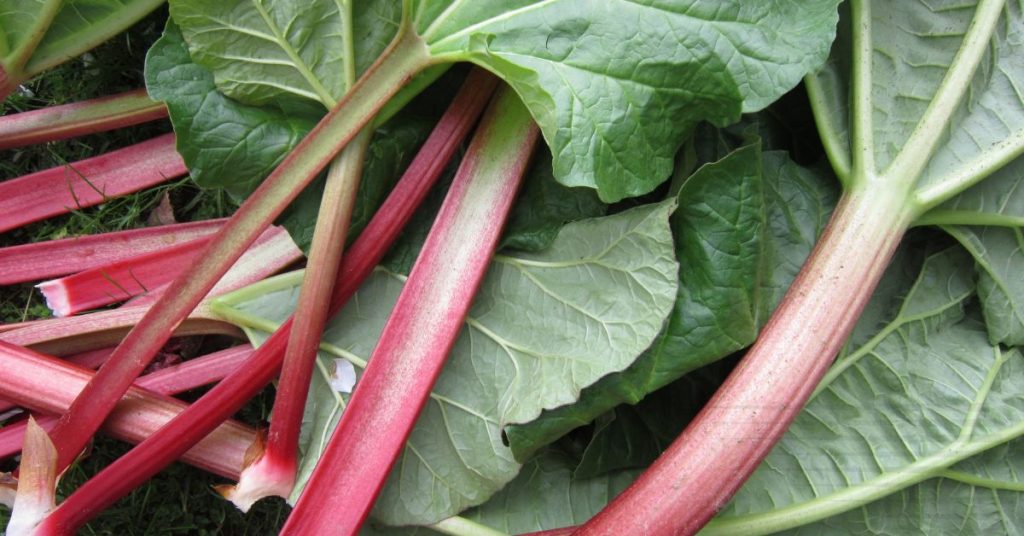
Rhubarb is celebrated for its tart, tangy stalks that find their way into pies and jams. What many people don’t know, however, is that rhubarb leaves contain high levels of oxalic acid and anthraquinone glycosides.
While the stalks are perfectly safe and nutritious when cooked, the leaves are toxic and can cause symptoms such as burning sensations in the mouth, nausea, and even kidney failure in severe cases.
I often use rhubarb as an example when speaking about the importance of knowing which parts of a plant are edible. It’s a cautionary tale that even a food with a long history in our kitchens can harbor dangerous compounds.
This duality—the safe and beneficial parts versus the toxic components—is one of the fascinating paradoxes of natural foods.
6. Bitter Almonds: A Case of Mistaken Identity
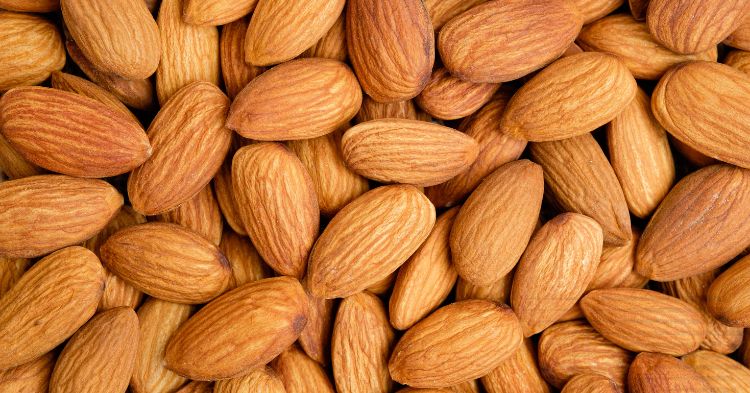
When we think of almonds, we usually picture the sweet, crunchy variety that’s a favorite snack or used to make almond milk. However, their bitter cousins are a different story.
Bitter almonds contain significantly higher levels of amygdalin compared to sweet almonds. Like apple seeds, this compound can release cyanide when metabolized.
It is important to note that in many Western countries, bitter almonds are regulated or processed to reduce their toxicity. In traditional cuisines, bitter almonds are sometimes used in small quantities to impart flavor, but they are never consumed in large amounts.
I’ve seen debates online—such as those on Vogue’s wellness section—where experts discuss the fine line between a food’s natural benefits and its potential toxicity. Bitter almonds underscore the need for caution, even with foods that have a “natural” pedigree.
7. Raw Cashews: The Unexpected Danger
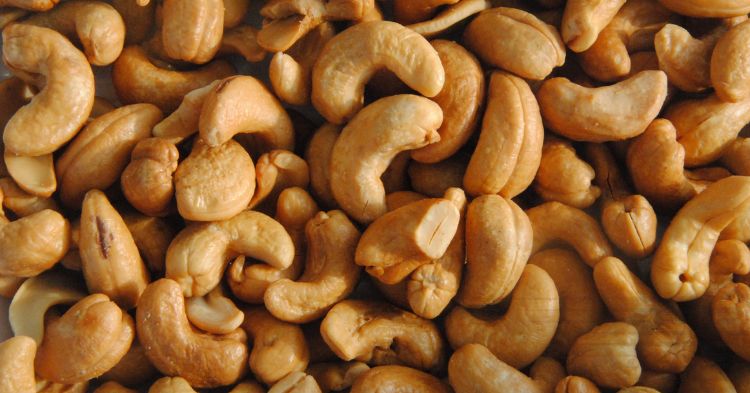
Cashews are often touted as a nutrient-dense, heart-healthy snack. Yet, few know that raw cashews (in their truly raw form, as found straight off the tree) contain urushiol—a resin also found in poison ivy—which can trigger allergic reactions and toxicity.
Fortunately, the cashews available in stores are not truly raw; they are steamed or roasted to eliminate the harmful compounds.
This hidden danger in raw cashews serves as a reminder that processing, when done properly, is not always the enemy of natural foods. In fact, it is an essential step in making certain natural foods safe for consumption.
While some in the “clean eating” movement argue for eating foods as close to their natural state as possible, the example of cashews clearly illustrates that nature sometimes packages toxins along with nutrients.
A Balanced Perspective on Nature’s Complexity
I want to stress that the presence of toxic ingredients in these natural foods does not mean we should shun them altogether. In most cases, the risks are mitigated by proper processing, cooking, or simply consuming them in moderation.
Nature is replete with chemical defenses—after all, plants produce these toxins as protection against predators and environmental stress. For us, understanding these natural compounds helps us better prepare and process our food safely.
The Environmental Working Group’s Dirty Dozen Guide to Food Chemicals and the FDA’s resources on natural toxins provide valuable insights into how we can minimize our exposure to harmful substances. I often remind my patients that the goal is not to create fear but to empower them with knowledge—knowledge that allows them to make informed decisions in the kitchen.
Take, for example, the way we handle kidney beans. By simply ensuring they are cooked properly, we can enjoy their nutritional benefits without the risk of poisoning.
Similarly, the long tradition of detoxifying cassava through soaking and fermenting is a testament to the fact that our ancestors understood the need for careful processing. These practices have been passed down for generations and continue to serve us well, even as modern food systems sometimes tempt us with shortcuts.
For further reading on these topics, I recommend exploring the EWG’s Dirty Dozen Guide for insights on food chemicals, the FDA’s resources on natural toxins for regulatory perspectives, and thoughtful critiques like The Guardian’s piece on nutrition misinformation for a broader cultural context.