1. Baked Ham with Brown Sugar Glaze
Preparing a Baked Ham with Brown Sugar Glaze begins by preheating your oven to 325°F (163°C). Place the ham, fat side up, on a rack in a roasting pan with about half an inch of water at the bottom to maintain moisture.
Cover the ham tightly with aluminum foil and bake for approximately 10 minutes per pound, ensuring it heats evenly. This method helps retain the ham’s juiciness during the initial cooking phase.
While the ham bakes, prepare the glaze by combining brown sugar, maple syrup, and freshly squeezed orange juice in a saucepan over medium heat. Stir the mixture until the sugar dissolves and the glaze thickens slightly, then remove it from the heat.
Once the ham’s internal temperature reaches 130°F (54°C), remove the foil and brush a portion of the glaze over the surface. Increase the oven temperature to 425°F (218°C) and return the ham to bake uncovered for an additional 10 minutes.
Repeat this glazing process two more times at 10-minute intervals to build up a flavorful, caramelized crust.
After the final glazing, allow the ham to bake until it reaches an internal temperature of 140°F (60°C). Remove it from the oven and let it rest for about 15 minutes before carving. This resting period allows the juices to redistribute, ensuring moist and tender slices.
The result is a beautifully glazed ham with a perfect balance of sweet and savory flavors, making it an excellent centerpiece for your Easter dinner.
2. Roasted Lamb with Fresh-Herb Sauce
For a delectable Roasted Lamb with Fresh-Herb Sauce, start by preheating your oven to 450°F (232°C). Prepare a mixture of finely minced garlic, fresh rosemary, salt, pepper, and softened butter.
Thoroughly coat the top and sides of a bone-in leg of lamb with this herb butter, allowing it to sit at room temperature for 30 minutes to an hour. This marinating time enables the flavors to penetrate the meat, enhancing its taste.
Place the lamb on a rack in a roasting pan and roast it in the preheated oven for 20 minutes. After this initial high-heat roasting, reduce the oven temperature to 325°F (163°C) and continue cooking until the internal temperature reaches 125°F to 130°F (52°C to 54°C) for medium-rare doneness, approximately 1 hour and 45 minutes.
Once done, remove the lamb from the oven and let it rest for 30 minutes. This resting period is crucial as it allows the juices to redistribute within the meat, resulting in a tender and flavorful roast.
While the lamb rests, prepare the fresh-herb sauce by combining olive oil, red wine vinegar, lemon zest and juice, thinly sliced shallot, fresh mint, parsley, garlic, and a pinch of salt in a food processor.
Blend until the herbs are finely chopped and the sauce reaches a smooth consistency. For added heat, stir in thinly sliced fresno chili, if desired. Once the lamb has rested, slice it thinly against the grain and serve it accompanied by the herb sauce. This combination offers a delightful contrast between the rich, savory lamb and the bright, zesty flavors of the sauce, making it a standout dish for your Easter celebration.
3. Garlic Herb Butter Prime Rib
To prepare a Garlic Herb Butter Prime Rib, begin by allowing the prime rib roast to come to room temperature, which ensures even cooking. Preheat your oven to 450°F (232°C).
In a bowl, mix softened butter with minced garlic, chopped fresh herbs such as rosemary and thyme, salt, and freshly ground black pepper. Rub this garlic herb butter mixture generously over the entire surface of the roast, ensuring it is evenly coated.
This flavorful butter infusion will create a delectable crust and enhance the meat’s natural flavors.
Place the seasoned prime rib on a rack inside a roasting pan, with the bone side facing down. Roast it in the preheated oven at 450°F (232°C) for about 15 minutes to develop a flavorful crust. After this initial searing, reduce the oven temperature to 325°F (163°C) and continue roasting.
The general guideline is to cook the roast for approximately 15 minutes per pound, but it’s essential to use a meat thermometer to achieve the desired level of doneness. For medium-rare, aim for an internal temperature of 125°F to 130°F (52°C to 54°C).
Once the prime rib reaches the desired internal temperature, remove it from the oven and tent it loosely with aluminum foil. Allow the roast to rest for at least 20 minutes before carving. This resting period permits the juices to redistribute throughout the meat, resulting in tender and juicy slices.
When ready to serve, carve the prime rib into slices and present it alongside your preferred side dishes. The combination of succulent, flavorful meat with the aromatic garlic herb crust makes this prime rib a show-stopping centerpiece for your Easter dinner.
4. Herb-Crusted Salmon
To prepare Herb-Crusted Salmon, begin by preheating your oven to 400°F (200°C) and lining a baking sheet with parchment paper. Pat the salmon fillets dry with paper towels and season them lightly with salt and freshly ground black pepper.
In a small bowl, combine finely chopped fresh herbs such as parsley, dill, and tarragon with minced garlic, lemon zest, and a drizzle of olive oil to create a fragrant herb mixture. Press this herb blend evenly onto the top of each salmon fillet, forming a flavorful crust.
Arrange the herb-coated salmon fillets on the prepared baking sheet, ensuring they are spaced evenly for proper heat circulation. Bake the salmon in the preheated oven for approximately 12 to 15 minutes, depending on the thickness of the fillets, until the fish is opaque and flakes easily with a fork.
The herb crust should become slightly crisp and golden, adding texture to the tender salmon beneath. This simple yet elegant dish pairs well with a variety of side dishes, making it a versatile addition to your Easter dinner menu.
5. Vegetarian Spinach and Mushroom Lasagna
For a hearty Vegetarian Spinach and Mushroom Lasagna, start by preheating your oven to 350°F (175°C) and lightly greasing a 9×13-inch baking dish. In a large skillet over medium heat, sauté chopped onions and minced garlic in olive oil until fragrant.
Add sliced mushrooms and cook until they release their moisture and become tender. Stir in fresh spinach leaves, allowing them to wilt before seasoning the mixture with salt, pepper, and a pinch of nutmeg for warmth. Remove the skillet from heat and set aside.
In a separate bowl, combine ricotta cheese, a beaten egg, grated Parmesan cheese, and chopped fresh parsley to create a creamy filling. To assemble the lasagna, spread a thin layer of marinara sauce on the bottom of the prepared baking dish.
Place a layer of lasagna noodles over the sauce, followed by a portion of the mushroom and spinach mixture, a few dollops of the ricotta mixture, and a sprinkle of shredded mozzarella cheese. Repeat these layers, ending with a final layer of noodles topped with marinara sauce and mozzarella cheese.
Cover the dish with aluminum foil and bake for 25 minutes. Then, remove the foil and bake for an additional 20 minutes, or until the cheese is bubbly and golden. Allow the lasagna to rest for 10 minutes before serving to set the layers.
6. Scalloped Potatoes

To make Scalloped Potatoes, preheat your oven to 375°F (190°C) and grease a 9×13-inch baking dish with butter. Peel and thinly slice russet potatoes, aiming for uniform slices to ensure even cooking. In a saucepan over medium heat, melt butter and sauté minced garlic until fragrant.
Stir in all-purpose flour to create a roux, cooking for a minute to eliminate the raw flour taste. Gradually whisk in milk, bringing the mixture to a simmer until it thickens into a smooth sauce. Season with salt, pepper, and a pinch of thyme or nutmeg for added depth.
Arrange a layer of potato slices in the prepared baking dish, slightly overlapping them. Pour a portion of the sauce over the potatoes, spreading it evenly. Sprinkle with shredded cheddar or Gruyère cheese for a rich, creamy flavor.
Repeat these layers until all the potatoes and sauce are used, finishing with a layer of cheese on top. Cover the dish with foil and bake for 40 minutes.
Then, remove the foil and continue baking for an additional 20 to 30 minutes, or until the potatoes are tender and the top is golden and bubbly. Let the dish rest for a few minutes before serving to allow the sauce to set.
7. Asparagus Gratin
For Asparagus Gratin, start by preheating your oven to 400°F (200°C) and lightly greasing a baking dish with butter or olive oil. Trim the woody ends from fresh asparagus spears and arrange them in a single layer in the prepared dish.
Drizzle the asparagus with olive oil and season with salt and freshly ground black pepper to taste. In a small bowl, combine grated Parmesan cheese, breadcrumbs, minced garlic, and a tablespoon of melted butter to create a savory topping.
Sprinkle this mixture evenly over the asparagus, ensuring each spear is lightly coated.
Bake the gratin in the preheated oven for 15 to 20 minutes, or until the asparagus is tender-crisp and the topping is golden brown.
For an extra burst of flavor, squeeze a bit of fresh lemon juice over the dish just before serving. This Asparagus Gratin makes for a delightful side dish, combining the natural sweetness of asparagus with a crispy, cheesy crust, perfect for complementing your Easter dinner spread.
8. Glazed Carrots
To prepare Glazed Carrots, start by peeling and slicing fresh carrots into uniform pieces, ensuring even cooking. In a large skillet over medium heat, melt butter and add the carrot slices, stirring to coat them evenly.
Pour in enough water to cover the bottom of the skillet, then sprinkle in brown sugar and a pinch of salt. Stir the mixture to combine, allowing the sugar to dissolve into the liquid. Cover the skillet and let the carrots simmer for about 5 minutes, softening slightly.
After the initial simmer, remove the cover and increase the heat to medium-high. Continue cooking the carrots, stirring occasionally, until the water evaporates and the butter-sugar mixture forms a glaze that coats the carrots.
This process typically takes an additional 5 to 10 minutes. To enhance the flavor, you can add a dash of freshly ground black pepper or a squeeze of lemon juice during the final minutes of cooking. Once the carrots are tender and glossy, remove them from the heat.
Transfer the glazed carrots to a serving dish and garnish with chopped fresh parsley for a touch of color and freshness. This simple yet elegant side dish pairs well with a variety of main courses, making it a versatile addition to your Easter dinner menu.
The combination of the natural sweetness of the carrots and the rich, buttery glaze is sure to delight your guests.
9. Deviled Eggs
For Deviled Eggs, begin by placing large eggs in a single layer in a saucepan and covering them with cold water. Bring the water to a rolling boil over medium-high heat. Once boiling, remove the saucepan from the heat, cover it with a lid, and let the eggs sit for about 10 to 12 minutes.

This method ensures the eggs are cooked through without becoming overdone. After the resting period, transfer the eggs to a bowl filled with ice water to cool them rapidly, making them easier to peel.
Once cooled, peel the eggs and slice them in half lengthwise. Gently remove the yolks and place them in a separate bowl, setting the egg whites aside. Mash the yolks with a fork until they reach a crumbly consistency.
To the mashed yolks, add mayonnaise, mustard, and sweet pickle relish, mixing until the filling is smooth and well combined. Season the mixture with salt and freshly ground black pepper to taste. For a touch of heat, you can incorporate a dash of hot sauce or a pinch of cayenne pepper.
Using a spoon or a piping bag fitted with a star tip, fill each egg white half with the yolk mixture, creating a decorative presentation. Arrange the filled eggs on a serving platter and sprinkle them with a light dusting of paprika for color and flavor.
For added texture and taste, consider garnishing with chopped fresh herbs such as chives or parsley. These classic deviled eggs make for a delightful appetizer, combining creamy, tangy, and savory elements that are sure to be a hit at your Easter gathering.
10. Honey-Glazed Ham
To prepare Honey-Glazed Ham, preheat your oven to 325°F (163°C). Place a fully cooked bone-in ham on a rack in a roasting pan, adding about half an inch of water to the bottom to maintain moisture.
Cover the ham loosely with aluminum foil and bake according to the package instructions, typically about 15 minutes per pound. This initial baking warms the ham through before applying the glaze.
While the ham is baking, prepare the glaze by combining honey, brown sugar, Dijon mustard, and a splash of apple cider vinegar in a saucepan over medium heat. Stir the mixture until the sugar dissolves and the glaze is smooth.
Once the ham reaches an internal temperature of 130°F (54°C), remove it from the oven and increase the oven temperature to 425°F (218°C). Brush the prepared glaze generously over the surface of the ham.
Return the ham to the oven and bake, uncovered, for an additional 15 to 20 minutes, or until the glaze is caramelized and the ham reaches an internal temperature of 140°F (60°C).
After glazing, remove the ham from the oven and let it rest for about 15 minutes before carving. This resting period allows the juices to redistribute, ensuring moist and flavorful slices.
The combination of the sweet honey glaze and the savory ham makes this dish a standout centerpiece for your Easter dinner, delighting guests with its rich flavor and appealing presentation.
11. Green Bean Casserole

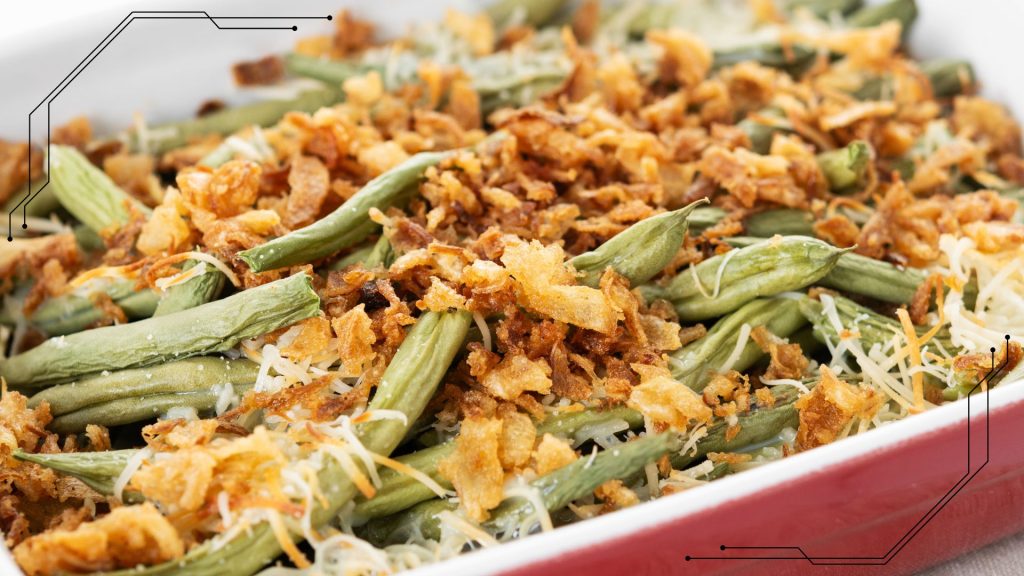
For a classic Green Bean Casserole, start by preheating your oven to 350°F (175°C) and lightly greasing a 1.5-quart baking dish. In a large mixing bowl, combine cooked green beans with condensed cream of mushroom soup, stirring until the beans are evenly coated.
Season the mixture with freshly ground black pepper and a splash of soy sauce to enhance the umami flavor. For added richness, you can stir in a small amount of grated cheddar cheese or sautéed onions.
Transfer the green bean mixture to the prepared baking dish, spreading it out in an even layer. Sprinkle crispy fried onions over the top, covering the surface completely. These onions add a delightful crunch and savory taste to the casserole.
Bake the dish in the preheated oven for about 25 to 30 minutes, or until the casserole is bubbly around the edges and the topping is golden brown. If the onions begin to brown too quickly, you can cover the dish loosely with foil during the last few minutes of baking.
Once done, remove the casserole from the oven and let it rest for a few minutes before serving. This allows the flavors to meld and the sauce to thicken slightly.
The green bean casserole is a beloved side dish, combining tender green beans with a creamy, savory sauce and a crispy topping, making it a comforting addition to your